
Post-war bathroom renewal
Older bathrooms need careful removal, service relocation and contemporary waterproofing before new tiles are laid.
5043 local project guide
Post-war homes, townhouses and family renovations support broad demand for bathrooms, laundries and floor tiling.
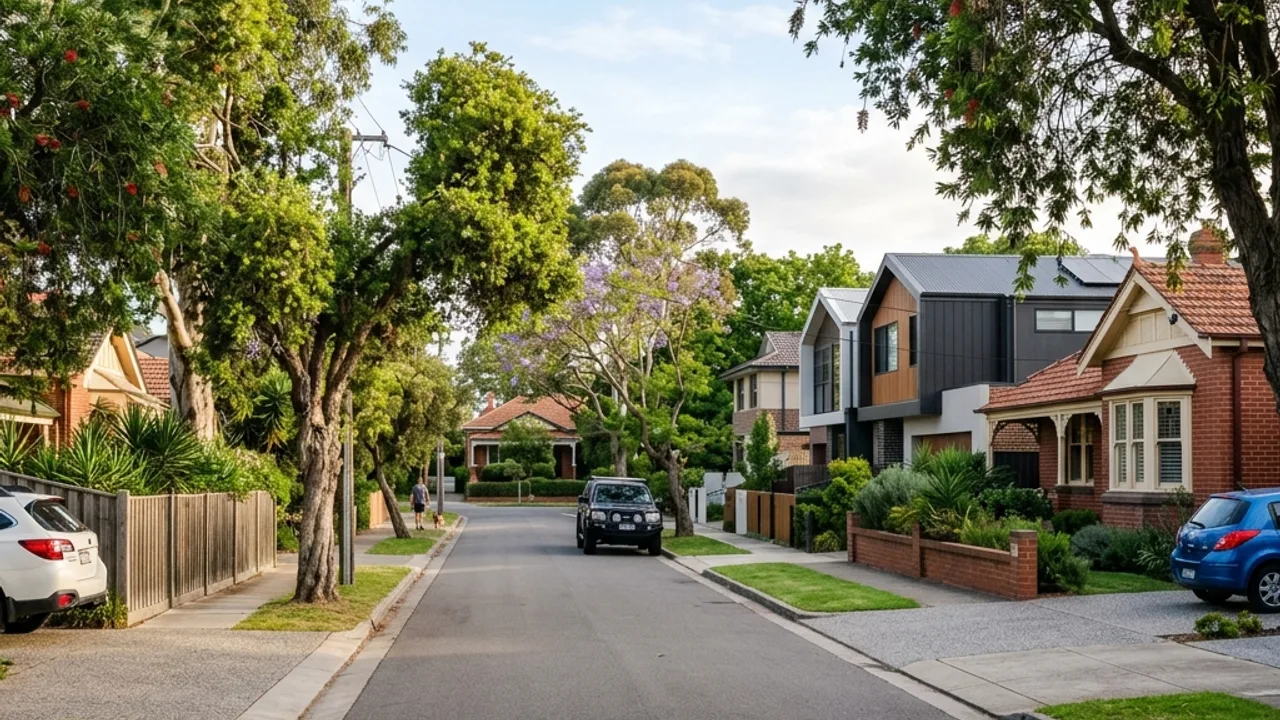
Marion covers a broad slice of Adelaide's south-west, from post-war homes and units to substantial renovation additions around Westfield Marion. The area's housing variety means almost every substrate type and bathroom era appears in the same suburb.
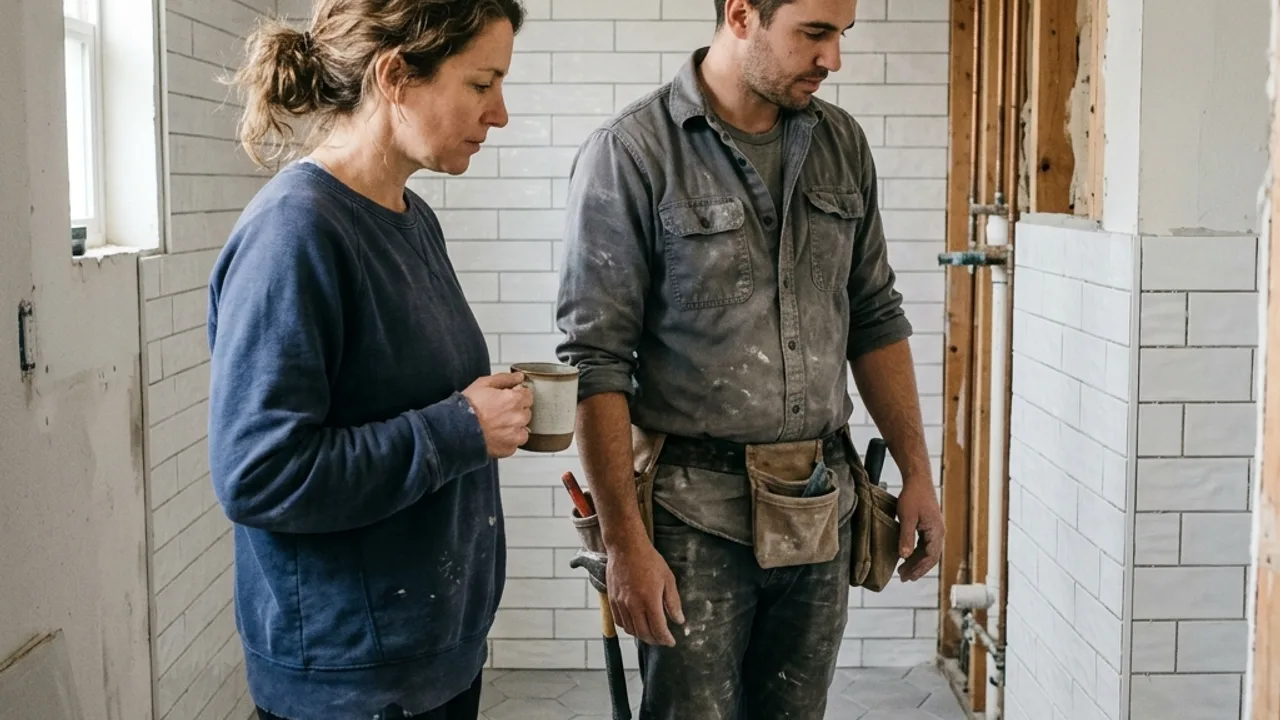
Post-war homes in Marion often have compact bathrooms and laundries with original layouts that no longer suit modern households. Renovating these rooms typically involves removing an old cast-iron bath, relocating services and rebuilding the wet area with contemporary waterproofing and tiling.
Laundry upgrades are particularly common in Marion because the original utility rooms are small and sometimes disconnected from the main living area. A modern laundry tiling scope needs to address floor wastes, waterproofing boundaries, and how the new room connects to tiled hallways or entries.
Renovation additions create junctions between old and new construction that affect tiling. Different slab pours, timber framing and masonry can move at different rates, so movement joints and level transitions should be planned where the addition meets the original house.
Older bathrooms need careful removal, service relocation and contemporary waterproofing before new tiles are laid.
Upgraded laundries need floor wastes, wet-zone waterproofing and transitions into adjoining floors.
New living areas meeting old construction need movement joints and level details to accommodate differential movement.
Marion covers a broad area of Adelaide's south-west, with post-war homes, units and substantial renovation additions near Westfield Marion, the SA Aquatic and Leisure Centre and Marion Cultural Centre. The housing variety means almost every bathroom era and substrate type appears locally.
Post-war homes often have compact bathrooms and laundries with original layouts that no longer suit modern households. Renovation typically involves removing old fixtures, relocating services and rebuilding the wet area. Laundry upgrades are common because original utility rooms are small and sometimes disconnected from living areas. Additions create junctions between old and new construction, so movement joints and level transitions need planning where the new work meets the original house.
Walk the access route before quoting, noting busy household routines, shared bathrooms and rooms that must stay usable. Protect existing floors and schedule work to minimise disruption. Separate decisions that can be settled now, such as tile format and visible edge treatment, from unknowns requiring inspection, including substrate soundness, moisture history, floor levels and the extent of removal.
Retain product data, preparation photographs and any waterproofing certificates before finishes conceal the work. At handover, keep care instructions and spare tiles. Marion's mix of post-war homes, units and additions means nearby properties can need very different solutions, so local familiarity should guide the questions rather than replace a site inspection.
Bathroom tiling and wet-area waterproofing are common in Marion as post-war bathrooms are renewed. The scope needs to address removal, service relocation, contemporary waterproofing and transitions into adjoining floors.
Laundry floor tiling, kitchen splashbacks and shower repairs are also frequent. Renovation additions need movement joints and level details where new construction meets old, while units may require shared-boundary waterproofing considerations.
Coordinated wall and floor layouts shaped around drainage, fixtures and clean junctions.
View service →Continuous membrane detailing at floors, walls, penetrations, corners and thresholds.
View service →Measured preparation and layout for durable interior floors, entries and feature walls.
View service →Diagnosis before repair helps separate sealant or grout wear from deeper membrane failure.
View service →Crisp splashback and floor layouts coordinated with cabinetry, outlets and wet-zone edges.
View service →Exterior layouts planned around drainage, exposure, movement joints and practical slip needs.
View service →All services →Describe the room, visible symptoms, approximate size, tile idea and access. For post-war homes, mention any known original services or previous additions. If water is involved, note where and when it appears.